The story
Sport has been part of my life since I was four years old. I played football for over a decade, and by the time I shifted my focus to handball, I already had years of athletic movement behind me. That foundation shaped how I move, how I train, and how I think about sport to this day.
When handball became my main focus, I was 15, 163 cm, and 63 kg. If I wasn't going to grow much more, I needed to add real weight and real strength — fast. So I started lifting. Not to look good. Not for aesthetics. Just to be harder to push around. To figure out how to actually build muscle, I went straight to bodybuilding — not because I wanted to look like one, but because I was desperate, and bodybuilding had the most detailed answers at that time. It gave me a foundation in hypertrophy I've never stopped building on.
The setbacks
At 18, I moved away from home for the first time — chasing that dream. That same year, I destroyed my knee cap. No surgery, but a full year out and an extensive rehab that forced me to understand the body in a way no training block ever had. I had to relearn how to load a leg that had barely been used properly for months. Time under tension, stretching, flexibility work, stability exercises — all the things most people skip became the only tools I had. About two years later, my shoulder nearly popped out of the socket — another classic handball injury. Both changed how I think about training permanently. Prehab and movement quality stopped being an afterthought and became the foundation.
I kept grinding. On the court, in the gym, looking for every edge I could find. That work eventually paid off — I turned professional at 23 and played at that level for a year and a half. At 24, I pulled my hamstring. But by then I knew exactly what to do. I got back in the gym straight away, and within three months I was back on the court — playing European cup.
Each setback had sharpened something: a stronger connection between mind and body, a quicker ability to read what a movement demands and what the body needs. That's made it easy for me to absorb different training ideologies, understand movement patterns fast, and know instinctively when something is off. No program template teaches that. It comes from putting in the work across every part of your life — not just the sessions.
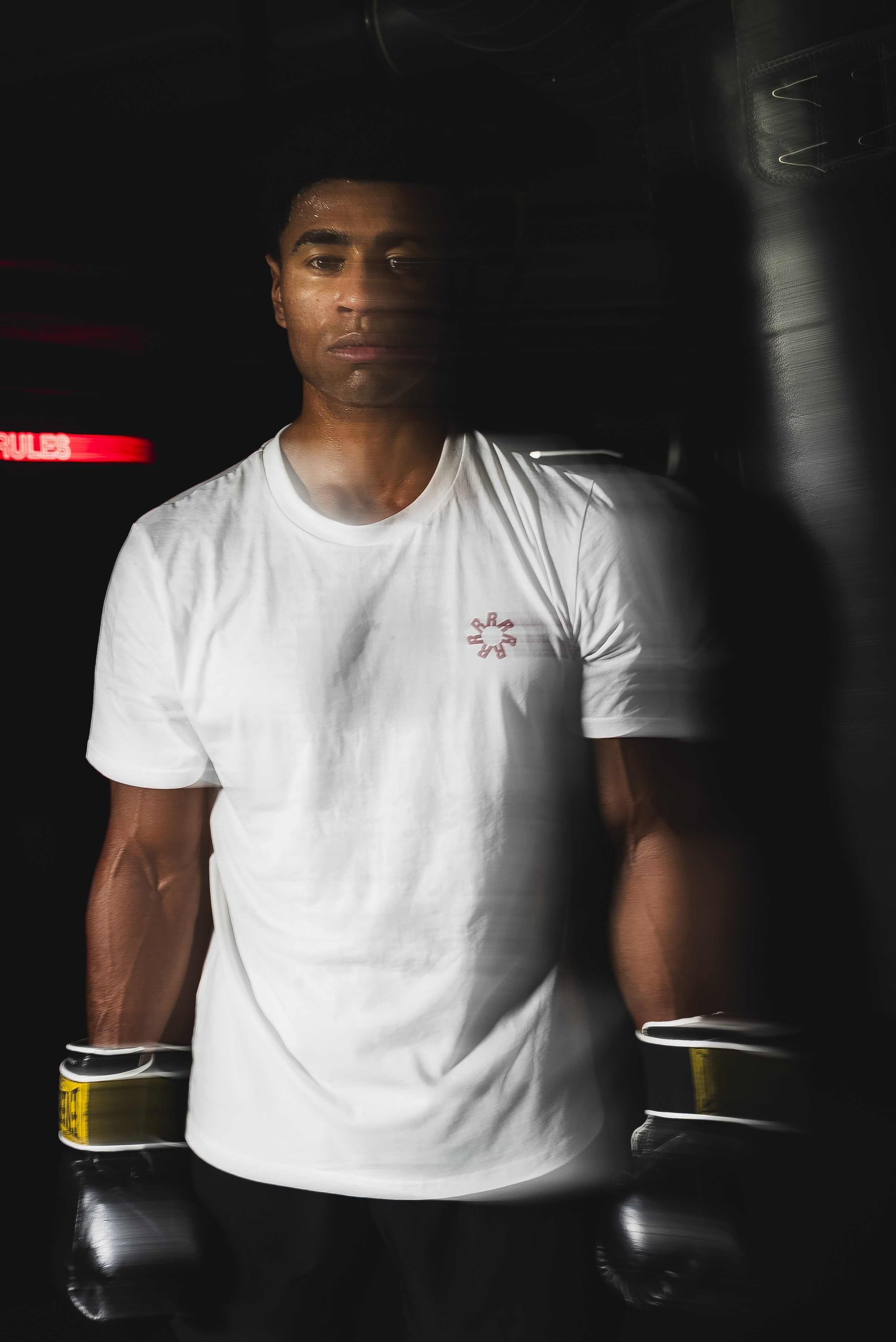
After handball, I started boxing. It broke a lot of my remaining habits — in the best way. It forced me to think more about conditioning, footwork, rotational power, and upper body resilience in ways the gym alone never demanded. I rebuilt my approach around what the sport actually required, and came out with a way of training that's more complete than anything I had before.
I don't have a PT certificate. What I have is a lifetime of sport, 11 years in the gym, two serious injuries, and a genuine understanding of how the body performs — and breaks down — under real athletic demands. That's what I bring to every program I write.